

close
Choose Your Site
Global
Social Media


Views: 142 Author: Site Editor Publish Time: 2026-09-18 Origin: Site


Scaling commercial crop production year-round requires balancing aggressive environmental control and sustainable capital expenditure. Modern agriculture demands consistent yields regardless of volatile outside weather conditions. For commercial growers and scaling agriculture businesses, traditional rigid-glazing structures are often cost-prohibitive. A properly engineered Tunnel Film Greenhouse offers a highly viable, lower-CapEx alternative. You must ensure its structural footprint and film polymer technology match local climate realities perfectly.
Navigating the procurement and design of a Film Greenhouse requires careful, data-driven evaluation. You must assess structural wind and snow loads accurately. You need to analyze film diffusion metrics and integrate advanced climate control systems. You simply cannot rely on generalized, off-the-shelf kits for serious commercial production. Readers will discover how to define exact business success criteria for continuous cultivation. They will learn how to match robust structural engineering directly to specific crop requirements.
CapEx vs. Yield: A customized tunnel film greenhouse bridges the gap between basic season-extension structures and high-cost rigid glass/polycarbonate facilities.
Film Technology: Modern poly films use multi-layer extrusion (IR retention, anti-drip, UV diffusion) to actively influence plant growth and reduce heating costs.
Design Scalability: Multi-span gutter-connected designs are generally required for true, automated year-round production compared to single-span high tunnels.
Risk Mitigation: Double-layer inflated poly drastically improves insulation but introduces humidity risks that demand engineered active ventilation.
Many growers blur the line between extending the growing season and achieving true year-round cultivation. You must define exact target harvest windows first. Identify the minimum viable temperature required for your specific crop during deep winter. Evaluating the baseline cost of your structure against projected yield increases is an absolute necessity. You should also factor in off-season market premiums for fresh produce when determining your budget.
Let us acknowledge a transparent assumption right now. Standard high tunnels cannot sustain warm-weather crops through deep freezes. They lack supplemental heating capabilities and engineered insulation barriers. Year-round production demands a specifically designed, climate-controlled environment. A basic tunnel only protects plants from direct frost or light wind. It does not actively manage the internal microclimate during extreme weather events. If you want continuous harvests in January, you need fully integrated heating systems. Defining this specific cultivation goal early prevents catastrophic crop loss during sudden cold snaps. You must treat the structure as an active environmental machine rather than a passive plastic shield.
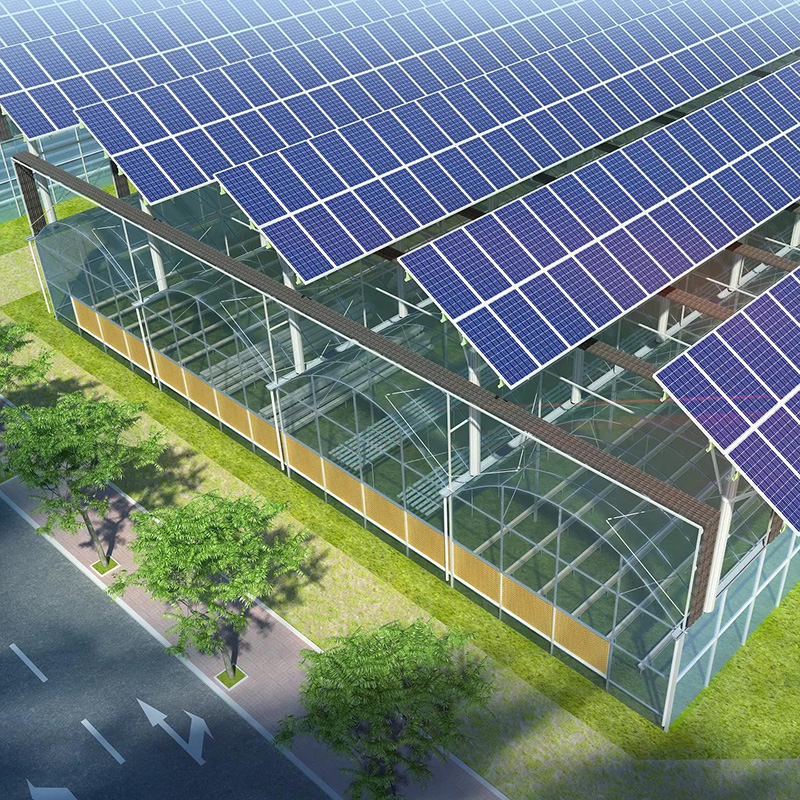
Choosing the right structural framework dictates your future operational capacity and workflow efficiency. Single-span high tunnels work exceptionally well for soil-based farming in moderate climates. They require a much lower upfront investment. However, commercial growers find them harder to automate efficiently on a large scale. Single-span units possess a smaller air volume. They are highly susceptible to rapid, dangerous temperature fluctuations when the sun emerges or sets.
Conversely, multi-span gutter-connected structures serve high-density commercial growing operations perfectly. They are ideal for advanced hydroponics and regions facing strict climate zones. Shared internal walls drastically reduce total heat loss. Vertical sidewalls maximize your usable footprint right up to the edges. These interconnected frames are structurally superior for supporting automated overhead irrigation lines. They easily support retractable shade curtains and heavy supplemental lighting trusses.
You must adhere to strict structural load specifications. Aligning structural steel gauge and bow spacing to local engineering codes is mandatory. Wind and snow loads dictate the physical integrity of your entire operation. A catastrophic failure in steel strength compromises the whole crop cycle.
Table 1: Structural Comparisons for Commercial Facilities
Feature | Single-Span High Tunnels | Multi-Span (Gutter-Connected) |
|---|---|---|
Primary Use Case | Soil-based, moderate climates, lower upfront capital | High-density commercial, hydroponics, extreme climates |
Air Volume & Stability | Low volume; rapid temperature fluctuations | High volume; highly stable internal microclimate |
Automation Readiness | Difficult to automate efficiently on a large scale | Structurally superior for overhead systems |
Heat Loss Surface Area | High heat loss per square foot of growing area | Reduced heat loss due to shared internal walls |
Plastic film is not merely a transparent cover. Modern agricultural polymers act as highly active environmental filters. Light transmission and diffusion play crucial roles in plant development. Multi-directional light filtering actively prevents canopy shadowing. This directly accelerates lower-canopy photosynthesis throughout the day. University-level agricultural trials repeatedly show diffused light increases overall crop yields significantly. Plants experience far less heat stress under highly diffused covers compared to clear plastics.
Thermal properties matter heavily during winter operations. Infrared-blocking (IR) additives prevent valuable radiant heat from escaping at night. This mechanism directly reduces winter fuel consumption. The film traps long-wave radiation inside the growing area, keeping leaf temperatures exceptionally stable.
Performance additives handle severe internal climate hazards. Condensation represents a massive biological risk. It blocks incoming solar radiation and drips freezing water onto sensitive plants. Wet foliage fosters devastating fungal diseases like botrytis and powdery mildew. You must carefully evaluate films containing advanced, integrated anti-drip layers. Exterior dust-repellent treatments are equally vital for long-term success. They maintain maximum Photosynthetically Active Radiation (PAR) transmission over several years. Clean, anti-condensate covers ensure maximum sunlight reaches your developing crop canopy.
Winter cultivation requires an aggressive, engineered defense against rapid heat loss. The double-layer inflation strategy provides excellent thermal insulation. You install a specialized small blower fan between two distinct layers of 6-mil poly film. This creates a continuously pressurized dead-air barrier. The trapped air significantly increases the structure's overall R-value, drastically cutting heating demands.
You must also design and implement robust ventilation mechanisms. Passive roll-up sides offer cheap, abundant airflow during hot summer months. However, they are prone to mechanical failure and freeze completely solid in winter. Active systems provide precise, reliable climate control.
Key active ventilation components include:
Heavy-duty exhaust fans designed for rapid, full-volume air exchange.
Motorized intake louvers perfectly synchronized to digital thermostat controllers.
Horizontal Air Flow (HAF) circulation fans positioned precisely above the canopy.
HAF fans keep the internal air moving constantly. This prevents localized cold spots and disrupts micro-climates breeding disease. You also face inherent humidity management challenges. Tightly sealed double-layer covers trap massive amounts of plant transpiration moisture. High internal humidity damages crops and severely slows nutrient uptake. You must perform exact HVAC calculations before construction. Proper engineering safely offsets moisture buildup during tightly closed winter months. You need a system designed to vent dangerous humidity without losing expensive thermal energy.
Navigating vendor proposals requires a critical, detail-oriented eye. You must evaluate manufacturer warranties objectively. Understand the exact difference between a generic marketing claim and actual UV-degradation timelines. Geographic latitude heavily impacts polymer breakdown rates. A high-quality film lasting four years in Canada might degrade in just three years near the equator.
Compliance and siting dictate your actual project timelines. You must navigate local agricultural zoning laws very early in the planning phase. Determine the specific required building permits for permanent versus temporary structures. Many municipalities classify gutter-connected structures differently than simple high tunnels. Never ignore critical site leveling requirements. Uneven ground ruins gutter drainage efficiency and creates invisible structural stress points.
Follow this comprehensive procurement checklist when requesting quotes:
Demand itemized pricing for the specific structural steel framework, noting exact tube dimensions.
Require detailed technical data sheets for all proposed multi-layer polymer covers.
Verify the inclusion of specialized inflation kits, jumper hoses, and continuous blower hardware.
Confirm the exact scope of after-sales installation support and technical troubleshooting.
Check engineering load ratings directly against your local municipal building codes.
Every single detail ensures your facility withstands harsh, unpredictable weather. A comprehensive, transparent quote protects your initial capital investment and guarantees smooth construction.
Achieving continuous year-round production is never about buying an off-the-shelf kit. It is an intensive exercise in matching structural engineering and advanced film chemistry to a specific geographic climate. You must strictly align your facility design with your distinct operational capabilities and business model. Ignoring local weather data or cutting corners on polymer technology guarantees inconsistent harvests.
Take these immediate, action-oriented next steps to advance your project. Finalize your specific crop production schedule and identify precise target temperatures. Assess your physical site dimensions carefully to accommodate proper ventilation spacing. Request comprehensive technical specification sheets from shortlisted greenhouse manufacturers immediately. Ensure those sheets include clear engineering load ratings and verified light transmission data. Rigorous, upfront planning guarantees a highly robust, high-yielding cultivation environment for years to come.
A: Commercial poly films typically follow a 4-to-5-year degradation cycle. Constant UV exposure breaks down polymer chains over time. Even if the plastic remains physically intact, light transmission drops significantly. You must replace the cover at the end of this cycle to maintain maximum Photosynthetically Active Radiation for your crops.
A: You can only achieve year-round growth in single-layer structures within extremely mild climates. Cold-weather regions absolutely require double-layer inflated setups. The dead-air space between layers provides critical insulation. You also need robust supplemental heating and active climate control to survive deep freezes and maintain viable root temperatures.
A: Multi-span facilities cost significantly more per square foot initially. They require heavier steel components, integrated gutters, and advanced foundation work. However, multi-span structures offer superior automation readiness and heating efficiency. When comparing upfront capital, always factor in the required environmental control systems and the long-term yield increase per square foot.


